
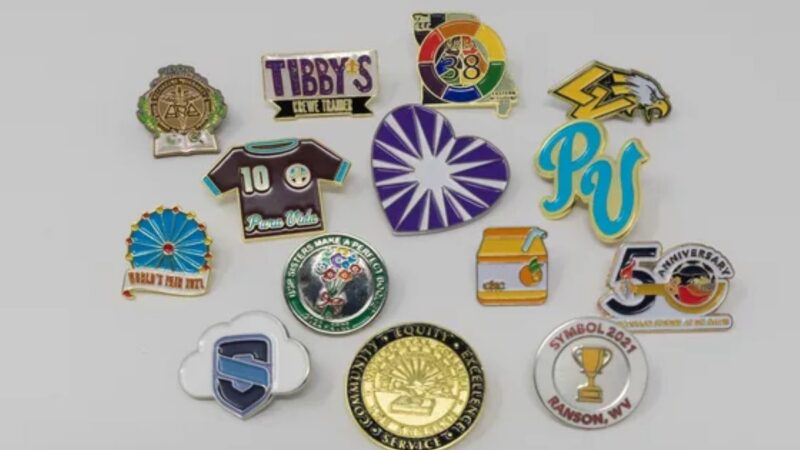
custom lapel pins cheap
Lapel Pins

Custom Enamel Pins: Hard vs Soft Enamel — Which Finish Is Right for Your Design?

This guide compares both options so they can pick the best match for their artwork, budget, and use case when ordering custom enamel pins. What’s the real difference between hard and soft enamel? Hard enamel is filled and polished flat, so the metal lines and enamel sit on the same level. Soft enamel is filled below the metal lines, leaving raised metal outlines and recessed color areas. For custom enamel pins, this single difference affects everything: texture, shine, durability, and how “premium” the pin looks in-hand. Which finish looks more premium on custom enamel pins? Hard enamel usually reads as more “finished” because the surface is smooth and glossy. It often looks like a single, clean piece of jewelry. Soft enamel can still look premium, but it tends to have a more graphic and dimensional appearance. Many brands searching for custom lapel pins cheap choose soft enamel designs because the raised metal lines help the artwork stand out instantly at a glance. Which option captures small details better? Soft enamel generally holds fine lines and tiny text more clearly because the metal borders stay raised and crisp. Those raised outlines can separate close colors and prevent visual blending. Hard enamel can handle detail too, but very thin lines may soften slightly during polishing. For intricate illustrations in custom enamel pins, soft enamel is often the safer bet. Which finish is more durable for everyday wear? Hard enamel is typically more scratch-resistant because the smooth surface is polished flat. It is less likely to catch on fabric or collect grime in recesses. Soft enamel can still last for years, but the recessed areas may show wear sooner, especially on frequently handled custom enamel pins like keychain add-ons or bag pins. Which enamel type works best with glitter, glow, or special effects? Soft enamel is usually more flexible for add-ons like glitter enamel, glow-in-the-dark fills, and textured effects because the recessed cavities can hold specialty fills cleanly. Hard enamel can still use special effects, but some effects may appear subtler after polishing. When planning effect-heavy custom enamel pins, many makers default to soft enamel. Which finish costs less and why? Soft enamel is usually cheaper because it skips the final polishing step. Production is faster and requires less finishing labor. Hard enamel costs more due to extra filling and polishing time, plus higher rejection risk if polishing exposes flaws. For budget-sensitive custom enamel pins, soft enamel is often the value choice. You may like to visit https://www.awm.gov.au/about/our-work/projects/medals to learn more about conservation advice on medals. What should they choose for bold, simple designs? Hard enamel shines with simple shapes, solid fills, and clean icon-style art. The smooth surface makes minimalist designs feel upscale. Soft enamel also works for bold designs, but it adds texture that may not be necessary. If they want sleek, “badge-like” custom enamel pins, hard enamel is the classic match. What should they choose for illustrated or highly outlined designs? Soft enamel tends to suit illustrated art because the raised metal outlines act like ink lines. It keeps characters, logos, and complex layouts readable from a distance. If the artwork depends on linework clarity, soft enamel often produces more reliable results for custom enamel pins without requiring design simplification. How do they decide quickly before ordering? They can decide by asking what matters most: smooth luxury feel or textured definition. If they want a polished, jewelry-like finish, hard enamel is the likely pick. If they want crisp outlines, strong detail separation, and lower cost, soft enamel usually wins. Either way, the best custom enamel pins come from matching finish to design intent, not copying what others choose. Related : Personalised Lapel Pins for Recognition Programmes: A Buyer’s Guide
No Comments Read More
lapel pins
Lapel Pins

Personalised Lapel Pins for Recognition Programmes: A Buyer’s Guide

This guide explains how buyers can choose personalised lapel pins that fit their goals, budget, and brand standards without creating admin headaches. What should buyers expect from personalised lapel pins in recognition programmes? They should expect a tangible symbol of achievement that can be worn at work events, conferences, or daily on a lanyard or jacket. The best personalised lapel pins feel substantial, look consistent across batches, and arrive on time. Buyers should also expect clear proofing, predictable pricing, and a supplier who can scale from small runs to ongoing reorders. Which recognition moments work best with personalised lapel pins? They work especially well for milestones such as years of service, safety targets, training completions, sales achievements, and peer-voted awards. Businesses building recognition programmes or branded award systems can check out more about custom lapel pins and personalised promotional products. Personalised lapel pins also suit tiered programmes, where recipients can collect levels over time. They are most effective when criteria is clear and the pin design makes the level instantly recognisable. What pin types and materials should they choose? Most programmes choose enamel pins because they photograph well and resist daily wear. Common options include soft enamel, hard enamel, die-struck metal, and printed designs, each with different cost and finish. For long-lasting personalised lapel pins, buyers typically prefer hard enamel or high-quality soft enamel with a protective coating and a metal plating that matches brand style. How should they decide on size, shape, and visibility? A typical recognition pin ranges from 0.75 to 1.25 inches, balancing visibility with comfort. Larger sizes can look premium but may rotate more on thin fabrics. For personalised lapel pins, a simple silhouette usually reads better at small size. Clean outlines, fewer tiny details, and strong contrast help the design stay legible from a distance. What personalisation options matter most for recognition? The most valued personalisation is meaning, not complexity: a name, year, team, or award title that connects to the achievement. Sequential numbering can add exclusivity for limited awards. Buyers ordering personalised lapel pins should confirm whether personalisation is engraved, printed, or baked into the mould, since that affects cost, speed, and consistency. How can they keep branding consistent without making the design boring? They can anchor every pin with a consistent brand element, such as a logo mark, brand colour plating, or a signature border. Then they can vary a single detail to show award level, like a gemstone colour, banner text, or icon. With personalised lapel pins, consistency builds programme recognition. Variation keeps recipients motivated to earn the next level. Which backings are best for comfort and security? Butterfly clutches are common and affordable, but they can loosen with frequent wear. Rubber backs improve comfort and reduce scratching. For higher-value personalised lapel pins, buyers often choose locking backs for better security, especially for field teams, event staff, or anyone moving actively during shifts. Other Resources : How to manage your digital safety settings What packaging and presentation should they plan for? A pin presented well feels more official. Simple options include card backs with a message, small boxes, or velvet pouches for premium awards. For personalised lapel pins, programme managers can add perceived value by including a short note explaining the criteria and the impact of the recipient’s achievement. What should they ask suppliers before placing an order? They should ask about minimum order quantities, proofing steps, lead times, remake policies, and reorder pricing. They should also confirm whether the supplier keeps moulds for future runs. When sourcing personalised lapel pins, they should request real production photos, not just mockups, and ask about colour matching, especially for brand-critical colours. How can they manage lead times and reorders without last-minute stress? They can build a calendar based on their recognition cycles and order core designs in advance. For personalisation-heavy awards, they can batch names monthly rather than rushing single units. With personalised lapel pins, a good supplier should offer reorder consistency. Buyers should keep artwork files, plating specs, and prior proof approvals to speed up repeat runs. What quality checks should they do before distributing pins? They should inspect a sample batch for colour accuracy, enamel fill, plating consistency, sharp edges, and secure backings. They should also test wear by pinning to common fabrics used in their workplace. For personalised lapel pins, they should verify spelling, dates, and numbering against their award list before handing them out. How can they budget for personalised lapel pins without surprises? They should budget beyond unit price, including setup fees, mould charges, personalisation costs, packaging, shipping, and potential rush fees. Tiered designs can reduce cost by reusing a base mould while changing small elements. For ongoing programmes using personalised lapel pins, buyers can often lower costs by committing to planned reorder volumes and standardising sizes and finishes. What is a practical buying checklist they can follow? They should define the award criteria, decide the number of tiers, and set a delivery timeline first. Then they should finalise design, materials, backing type, and packaging before requesting quotes. For personalised lapel pins, the simplest checklist is: purpose, design, durability, proofing, timeline, reorder plan. When those are clear, the programme runs smoothly and recipients get awards that feel genuinely earned. More to Read : Custom Enamel Pins: Hard vs Soft Enamel — Which Finish Is Right for Your Design?

No Comments Read More