
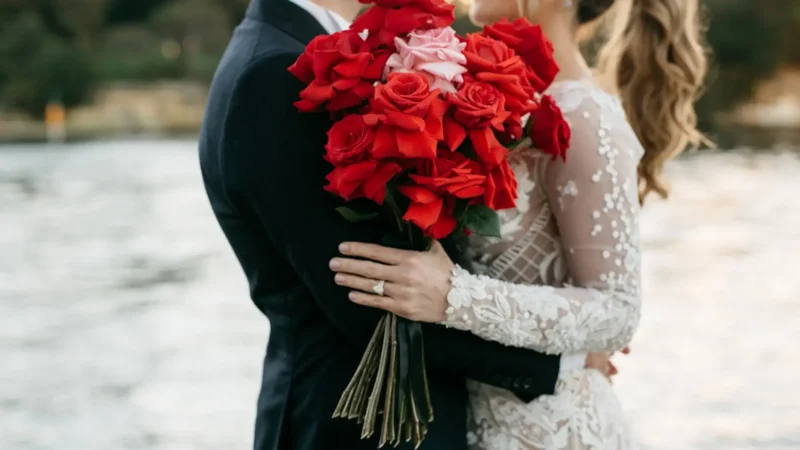
wedding flowers near me
Floral Services

What to Ask a Florist About Wedding Flowers

Booking a florist can feel simple until couples realise how many decisions sit behind a bouquet. The best results usually come from asking clear, practical questions early, then confirming the answers in writing. This guide covers what to ask a florist about wedding flowers so they can quote accurately, design confidently, and deliver smoothly anywhere in Australia. What style and mood can they realistically create for the wedding? They should be able to describe the look in plain terms and show examples that match it. If couples share inspiration photos of wedding flowers near me, the florist can explain what is achievable with local supply and the chosen season. Ask for a quick summary of the intended “recipe” for key pieces like the bridal bouquet and ceremony arrangements. This keeps expectations aligned and avoids surprise substitutions. What flowers are in season in Australia for the wedding date? They should explain what is plentiful, what is limited, and what becomes expensive or risky at that time of year. Seasonality matters in every state, from humid Queensland to cooler Tasmania. Couples can ask for two options: a “best in season” plan and a “similar look” plan. This is a core part of what to ask a florist about wedding flowers if budget and freshness matter. What is their approach to substitutions if certain blooms are unavailable? They should have a clear substitution policy that protects the overall colour palette and shape. Good florists do not replace a hero flower with something that changes the whole look without checking first. Couples should ask how approvals work close to the date. It is worth confirming whether the florist will contact them, a planner, or a nominated person on the day. What will the florist need from the venue, and when? They should outline bump-in access, loading zones, lifts, parking, and any venue rules. Many Australian venues have strict timings, especially CBD locations in Sydney, Melbourne, Perth, and Brisbane. Couples should ask who coordinates with the venue. This question often decides whether set-up feels calm or rushed. Who will deliver and set up on the day, and how is timing managed? They should confirm whether they handle delivery themselves or use a courier. Set-up quality can differ if arrangements are transported by a third party. Couples should ask for a run sheet including delivery windows and installation time. Knowing this is part of what to ask a florist about wedding flowers when the ceremony start time is tight. How will they keep flowers fresh in Australian heat and travel conditions? They should explain hydration methods, conditioning, transport temperatures, and how long items can be out before they suffer. Hot days and long drives are common for regional weddings. Couples can ask what they recommend for summer dates, like hardier varieties and fewer delicate blooms. This is especially relevant for outdoor ceremonies. What is included in the quote, and what costs extra? They should provide a detailed breakdown covering design, flowers, labour, delivery, set-up, pack down, and hire items. Vague quotes make comparisons almost impossible. Couples should ask about weekend surcharges, travel fees for regional areas, and minimum spends. This is one of the most practical parts of what to ask a florist about wedding flowers. What is their minimum spend and how do they handle smaller weddings? They should be upfront about minimum order values and whether they offer packages. Many studios prioritise full service events, while others specialise in intimate weddings. Couples can ask if a pick-up option is available for personal flowers only. That can suit elopements or registry ceremonies in Australian cities. What will the bridal bouquet look like up close, and how does it photograph? They should describe size, shape, and the balance of colours and textures. A bouquet that looks full in person can photograph differently depending on flower choice and wrapping. Couples should ask whether ribbon colour and stem finish are included. This detail matters in photos, and it is a smart inclusion in what to ask a florist about wedding flowers. How will their designs work with the dress, suits, and overall styling? They should ask about neckline, fabric, and accessories, then recommend bouquet proportions. Florals should support the look rather than compete with it. Couples can bring a fabric swatch or share a photo of attire. Matching undertones, not just colour names, prevents clashing in natural light. What ceremony and reception pieces are actually worth investing in? They should help prioritise impact areas based on the venue layout. For many Australian venues, the ceremony backdrop and bridal table are the biggest visual anchors. Couples should ask which items can be repurposed from ceremony to reception. Efficient moves can stretch the budget without reducing the overall effect. Can they reuse flowers between spaces, and who moves them? They should confirm whether repurposing is included and who is responsible for transfers. Some venues require an external coordinator for moves. Couples should ask what can be safely moved without damage. This question sits at the heart of what to ask a florist about wedding flowers when value matters. What hire items do they provide, and what are the hire terms? They should list available items such as vases, plinths, arbours, candle holders, and bud vases. Hire rules often include deposits, breakage fees, and return times. Couples should ask what happens if guests take items home. Clear terms prevent awkward follow-ups after the wedding. How many revisions are included, and when is the design locked in? They should explain their design process and cut-off dates for changes. Many florists finalise counts and recipes close to the date to suit supply. Couples should ask when the final invoice is due and when numbers must be confirmed. This avoids last-minute stress if the guest list shifts. What information do they need to provide an accurate proposal? They should request the date, venues, ceremony time, colour direction, inspiration images, and a rough guest count. Without this, quotes tend to be generic. Couples should
No Comments Read More
Funeral Bouquet
Floral Services

Funeral Bouquet: What the Different Blooms Signal

Choosing a funeral bouquet is usually about one thing: saying something meaningful when words feel thin. In Australia, flowers are still one of the clearest ways for families and friends to signal love, respect, faith, and farewell. Different blooms carry different associations, and small choices can matter. Colour, season, scent, and cultural expectations all shape what a funeral bouquet quietly communicates at a service in Sydney, Melbourne, Brisbane, Perth, Adelaide, Hobart, Canberra, or regional towns. What does a funeral bouquet communicate at a glance? A funeral bouquet communicates relationship, tone, and intention in a single visual. It can say “they were deeply loved”, “they lived gently”, “their faith mattered”, or simply “they will be missed”. In Australian services, bouquets often sit near the coffin, at a memorial table, or are given to family after the ceremony. The blooms chosen can comfort, honour, and reflect the person’s life without being overly formal. Which flowers are most traditional in Australia for a funeral bouquet? The most traditional choices for a funeral bouquet in Australia include lilies, roses, chrysanthemums, carnations, orchids, and natives like waratah and banksia. These are widely available through local florists and suit both chapel and graveside services. Tradition also varies by state and community. In some areas, natives feel more personal and “Australian”, while in others, classic white lilies and roses remain the default for formal farewells. What do lilies signal in a funeral bouquet? Lilies usually signal peace, purity, and a sense of spiritual rest. A funeral bouquet featuring white lilies is often chosen when mourners want a calm, traditional message that suits most faith settings. In Australia, lilies are common in both sympathy deliveries and service flowers. Their strong scent can be an issue in small chapels or for guests with sensitivities, so some families choose unscented alternatives or use lilies sparingly. What do roses mean when used in a funeral bouquet? Roses signal love, respect, and enduring connection. Red roses suggest deep love, pink roses suggest gentleness and gratitude, and white roses suggest reverence and remembrance in a funeral bouquet. They are also flexible. A single colour can keep things simple, while mixed roses can reflect a fuller story of the person’s relationships, personality, or the tone of the service. What do chrysanthemums represent, and are they appropriate? Chrysanthemums often represent honour, loyalty, and remembrance. In Australia, they are widely used and generally appropriate for a funeral bouquet, especially when a classic, steady tribute is desired. Meaning can shift by background. Some European traditions associate chrysanthemums strongly with funerals, while others simply see them as long-lasting, respectful blooms. They also hold up well in warm weather and outdoor services. What do carnations signal in funeral flowers? Carnations signal lasting affection and devotion, and they are often chosen for their practicality. A funeral bouquet with carnations typically looks full, stays fresh, and suits both formal and informal services. Colour matters. White carnations are linked with pure remembrance, pink with gratitude, and red with admiration. They can be a thoughtful choice when someone wants a meaningful gesture without a very high spend. What do orchids and other premium blooms suggest? Orchids often suggest enduring love, strength, and refined beauty. When included in a funeral bouquet, they can feel personal and modern, especially for someone known for style, creativity, or quiet resilience. Premium blooms like anthuriums or proteas can also signal boldness. These choices tend to stand out more than traditional whites, so they work best when they reflect the person’s character or the family’s wishes. What do native Australian flowers communicate? Native flowers often communicate identity, place, and grounded remembrance. A funeral bouquet with banksia, gum, wattle, waratah, or kangaroo paw can feel distinctly “them”, especially for someone who loved the bush, the beach, or regional life. Natives also suit Australian conditions. They cope well with heat and travel, and they can feel less formal while still being deeply respectful. How do colours change the message of a funeral bouquet? Colour changes the emotional tone immediately. A funeral bouquet in white usually reads as peaceful and traditional, while soft pastels can feel comforting and gentle. Deeper colours can be powerful. Red can signal profound love, purple can suggest dignity, and yellow can reflect warmth or celebration of life, though it can feel too bright for some families. When unsure, neutral whites, creams, and greens are the safest. What does greenery add, and why do florists use it so much? Greenery adds calm, structure, and a sense of continuity. In a funeral bouquet, foliage can soften bright blooms, create a natural look, and stretch the arrangement without feeling like filler. In Australia, common options include eucalyptus, olive, and ruscus. Eucalyptus is particularly popular because it looks local, photographs well, and carries a clean, familiar scent that many people find comforting. How can someone choose flowers that reflect the person’s life? The best approach is to start with one true detail. A funeral bouquet can reflect a person’s garden, favourite colour, footy club colours in subtle tones, or the landscape they loved. Florists can also build meaning through shape. Wild, airy designs can suit someone adventurous, while compact, symmetrical bouquets can suit someone traditional. If the family has requested “no flowers” or a donation instead, that preference should be followed. What etiquette matters when sending a funeral bouquet in Australia? A funeral bouquet is usually sent to the funeral home, the church, or the family home, depending on timing and instructions in the notice. Many Australian funeral notices specify where flowers should go and by when. Card messages should be brief and clear, using their name and the sender’s relationship if helpful. If sending on behalf of a workplace or team, it is often better to sign as a group and keep the tone respectful rather than overly personal. What should they avoid when selecting a funeral bouquet? They should avoid heavily scented flowers if the service is indoors and likely crowded. A funeral bouquet that is extremely large

No Comments Read More