How Custom Event Medals Are Designed for Large Scale Programs
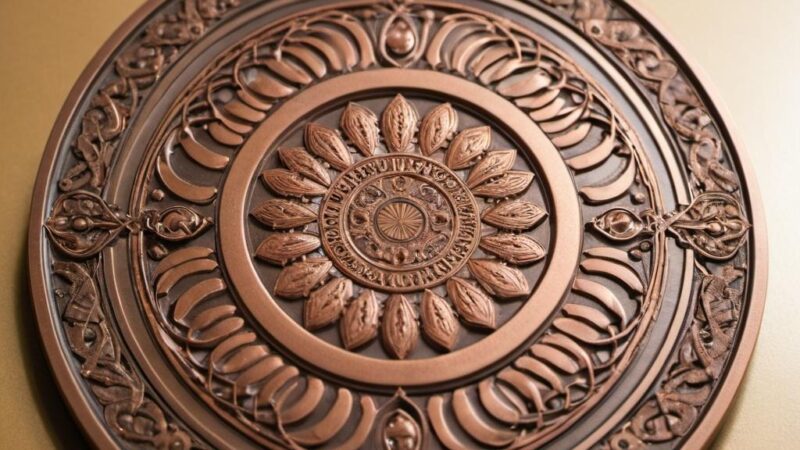
The world of custom event medals is a vibrant blend of art, engineering, and corporate strategy. Whether for marathons, esports tournaments or corporate recognition events, medals play a pivotal role in celebrating achievements and creating memorable experiences. In Australia and beyond, the demand for personalised and intricately designed medals continues to rise, driven by innovations and a deeper understanding of the audience’s expectations. The world of custom event medals is a vibrant blend of art, engineering, and corporate strategy. Whether for marathons, esports tournaments or corporate recognition events, medals play a pivotal role in celebrating achievements and creating memorable experiences. In Australia and beyond, the demand for personalised and intricately designed medals continues to rise, driven by innovations and a deeper understanding of the audience’s expectations. The Market Surge and Its Impact on Medal Design Growing Industry Trends Recent statistics reveal that the global customised metal crafts market was valued at USD 8.6 billion in 2024, with forecasts estimating growth to reach USD 12.7 billion by 2030 at a CAGR of 6.7%. This surge in market value reflects a global appetite for personalised and intricately designed commemorative items. Alongside the metal crafts market, the corporate gifting and trophy accolades market is witnessing rapid expansion. For instance, corporate gifting programmes alone ordered 112.4 million medals in 2023, marking a 22% increase from the previous year. This rise has been fuelled by global companies increasing their employee-recognition budgets to further boost brand loyalty and internal morale. In Australia, the blend of corporate sophistication and creative craftsmanship is evident in the increasing adoption of medal customisation in large-scale events. Organisations are leaning towards bespoke designs that reflect their values, and this trend is transforming the way medals are conceptualised and produced. Corporate and Personalised Recognition Custom medals are no longer just tokens of recognition-they are powerful tools to reinforce brand identity and enhance employee engagement. Many corporate giants worldwide have embraced the idea of personalised recognition, integrating unique designs that resonate with their organisational culture and achievements. Expert insights reinforce that personalised medals have transitioned from being optional to essential, especially when customising is a key element in creating meaningful experiences. Awards are designed to be more than mere symbols; they represent moments of personal triumph and collective accomplishment. A thoughtful approach to design can communicate subtly yet powerfully the values of the recipient organisation. Whether it is through the inclusion of logos, specific colour palettes or acoustic engravings that highlight company ethos, the emphasis remains on making each medal a personal, cherished keepsake. The Role of Technology in Medal Customisation Integration of Modern Technologies Technological advances have reshaped the way medals are designed and produced. There is a strong focus on utilising high-precision tools which allow for intricate multi-layer textures and detailed engraving. Studies have shown that medals with multi-layer designs yield a 32% higher satisfaction rate than flat designs, highlighting the effectiveness of added depth and texture. Innovative manufacturers now use computer-aided design (CAD) software and 3D printing to prototype and refine their designs before casting. Such tools not only improve the quality of the final product but also allow for rapid customisation based on client feedback. In addition, the emerging utilisation of microchip technology has led to the creation of NFC-enabled medals. These medals, which include embedded microchips for credential verification, are transforming traditional events such as marathons. In 2023, these innovative medals were adopted by 14 large marathons, making up 8% of the medal volumes in such events. Rapid Prototyping and Fine-Tuning The design process for custom medals begins with detailed discussions with clients and stakeholders. Rapid prototyping plays a key role in transforming initial sketches into tangible models that can be evaluated and refined. Feedback is actively sought to ensure that each medal meets the high standards expected from prestigious events. Adopting an iterative approach allows designers to address potential issues early on. When prototypes are evaluated, multiple revisions may be required to perfect every detail, from the curvature of the medal to the subtle interplay of light on its surfaces. This iterative cycle is central to delivering bespoke awards that capture the essence of the event and remain aligned with the client’s branding guidelines. The blend of creativity and precision has given rise to medals that are functional, aesthetic, and technologically integrated. Craftsmanship and Personalisation Techniques The Art of Design and Engraving Creating a custom medal is often described as marrying the art of design with the precision of metalwork. Skilled artisans earnestly craft each medal, whether it’s through hand-engraving, casting or inlaying unique materials. The process starts with a conceptual phase, where ideas are generated and refined into detailed sketches. These sketches capture every nuance, from the medal’s overall shape to the intricate details on its surface. In larger scale programmes, where medals are awarded en masse, maintaining consistency is crucial. Producers rely heavily on advanced manufacturing techniques to ensure that each award upholds the requisite quality, yet still retains a unique, personal touch. Modern designs grip the audience, turning each medal into a proud collectible. The fine balance between artistic expression and manufacturing proficiency is what elevates the design of event medals. The blend of charm, elegance, and innovation means that each piece can be appreciated as both a work of art and a symbol of hard-earned success. Customisation for a Distinctive Experience Personalisation is at the heart of creating custom event medals. Organisations looking to make a lasting impression always seek a design that tells a story-a narrative that mirrors the event’s significance. Medal designers are now frequently consulted on how best to integrate company logos, mottos and event-specific themes without compromising on aesthetics. Design features such as dual finishes, layered materials, and strategic use of colour can lend an aura of sophistication. Clients have the freedom to choose from various metal types and finishes, including gold, silver, bronze and even unconventional alloys that grant a modern twist. Subtle techniques like selective colour plating can further enhance the award’s uniqueness. Attention to detail