Custom Bottle Openers

The Branding Power of Custom Bottle Openers for Bars, Breweries, and Events

What Are Custom Bottle Openers and Why Are They Powerful Branding Tools for Bars, Breweries, and Events? Custom bottle openers are personalized bar accessories featuring business logos, designs, or messages that help establishments and event organizers promote their brand. These practical tools remove bottle caps while simultaneously serving as marketing instruments that keep brands visible long after initial distribution. The branding power of custom bottle openers for bars, breweries, and events lies in their unique position as both utility and advertisement. Unlike disposable promotional items that end up in landfills, bottle openers earn permanent spots in customers’ homes, keychains, and bar areas. Every use reinforces brand recognition. Bars and breweries benefit particularly from these branding tools because they align perfectly with their core business—serving bottled beverages. When customers take home a branded opener, they carry a physical reminder of their experience. Event organizers leverage this same principle, transforming attendees into brand ambassadors who use and display these functional souvenirs. The dual functionality creates lasting value: This combination of everyday usefulness and brand visibility makes custom bottle openers essential marketing assets in the hospitality and event sectors. Which Styles of Bottle Openers Work Best for Different Settings? Different styles of bottle openers serve various purposes and can be strategically used in different settings to maximize brand exposure and customer engagement. Here are some of the most effective styles of bottle openers and their ideal applications: 1. Keychain Openers Keychain openers deliver maximum portability and daily brand exposure. These compact designs attach to personal items customers carry everywhere, creating countless impressions beyond the initial venue. Breweries benefit from keychain openers as takeaway merchandise that transforms customers into mobile brand ambassadors. 2. Wall-Mounted Openers Wall-mounted openers establish permanent brand presence in bars and taprooms. Fixed installations near bar areas or outdoor patios ensure repeated visibility during every service interaction. The stationary nature makes them ideal for venues prioritizing consistent brand reinforcement over guest mobility. 3. Credit Card-Style Openers Credit card-style openers fit seamlessly into wallets, guaranteeing long-term retention. Their slim profile appeals to event attendees who value convenience without bulk. Corporate events and brewery tours find these particularly effective as premium giveaways that recipients actually keep. 4. Multi-Tool Openers Multi-tool openers combine bottle opening with additional functions like corkscrews, can openers, or knife blades. Bars hosting diverse events appreciate the versatility, while the increased utility justifies higher production costs for special campaigns or VIP merchandise. 5. Classic Handheld Openers Classic handheld openers offer the largest surface area for bold logo placement and creative designs. Their traditional form resonates with craft beer enthusiasts and vintage-themed establishments. The substantial feel communicates quality, making them preferred choices for brewery merchandise shops where customers expect durable, collectible items. Style selection directly impacts how frequently customers interact with branded openers and where those interactions occur. How Do Material Choices Influence the Branding Effectiveness of Bottle Openers? Material selection directly impacts how customers perceive your brand’s quality and commitment to excellence. Stainless steel bottle openers project a premium, professional image with exceptional durability that ensures your logo remains visible for years. They resist corrosion and maintain their polished appearance even with heavy use in bar environments. Brass bottle openers offer a vintage, upscale aesthetic that appeals to craft breweries and establishments emphasizing tradition. The warm metallic finish develops a distinctive patina over time, creating a unique character that customers appreciate. Aluminum provides a lightweight alternative with excellent corrosion resistance, ideal for keychain designs that patrons carry daily. Wood bottle openers communicate environmental consciousness and artisanal craftsmanship. Bamboo, walnut, and maple varieties showcase natural grain patterns that make each piece distinctive. Laser engraving on wood creates striking contrast, making logos highly visible while maintaining an organic feel. Zinc alloy enables intricate custom shapes and detailed designs at competitive price points, perfect for large-scale event distribution. Plastic options reduce costs for high-volume giveaways but may signal lower brand positioning. Leather-wrapped handles add tactile luxury and comfort, elevating perceived value. The durability of materials directly correlates with brand exposure duration. A well-crafted metal opener used hundreds of times delivers sustained marketing impact, while cheaper alternatives may break quickly, potentially creating negative brand associations. Premium materials signal quality standards that customers associate with your entire business. Interestingly, bottle openers designed for specific purposes can also enhance branding effectiveness by associating the product with certain lifestyles or professions, thereby broadening its appeal and market reach. What Personalization Options Maximize Brand Recognition on Custom Bottle Openers? There are several personalization options available for custom bottle openers that can help maximize brand recognition. Each method has its own advantages and is suited for different branding objectives. Here are some of the most effective personalization techniques: 1. Laser Engraving Laser engraving bottle openers creates permanent, high-contrast branding that withstands years of use without fading. This technique works exceptionally well on stainless steel, aluminum, brass, and wood surfaces, producing clean lines and intricate detail that elevates perceived brand value. Bars and breweries favor this method for its professional appearance and longevity. 2. Screen Printing Screen printing logos with colored inks offers vibrant, eye-catching designs at budget-friendly prices for bulk orders. The process allows multiple ink colors and works best on flat surfaces like credit card-style openers or handheld designs. This approach suits promotional campaigns where bold color representation matters more than extreme durability. 3. UV Printing UV printing customization delivers full-color, photorealistic imagery with exceptional detail. The technology enables gradient effects, complex graphics, and brand photography that traditional methods cannot replicate. Breweries showcasing beer label artwork or event organizers featuring sponsor logos benefit from this vibrant option. 4. Embossing/Debossing Embossing/debossing techniques create raised or recessed branding that customers can feel, adding a tactile dimension to brand interaction. These methods communicate premium quality and craftsmanship, making them ideal for upscale establishments or special event commemoratives. The three-dimensional effect catches light differently, drawing attention even in dimly lit bar environments. Each personalization method serves distinct branding objectives, from maximizing durability to creating visual impact that reinforces the branding power

No Comments Read More
Metal Business Cards

Metal Business Cards: The Premium Branding Upgrade More Companies Are Choosing

Are Metal Business Cards the Ultimate Premium Branding Solution? Metal business cards represent a powerful shift in how companies approach their corporate identity. These cards instantly communicate quality, permanence, and attention to detail—qualities that paper alternatives simply cannot match. The trend toward metal cards has accelerated dramatically across industries. Companies recognize that first impressions matter, and handing someone a substantial metal card creates an immediate impact that resonates long after the initial meeting. The weight, texture, and visual appeal trigger a psychological response that associates your brand with premium value. Metal Business Cards: The Premium Branding Upgrade More Companies Are Choosing isn’t just a catchy phrase—it reflects a genuine market shift. Businesses investing in these cards report higher retention rates and more memorable networking experiences. The cards serve dual purposes: practical contact information delivery and tangible brand statements. The premium branding solution works because it breaks pattern interruption. In a sea of flimsy paper cards, metal stands out physically and psychologically. Recipients often comment on the card itself, creating natural conversation starters and extending your brand interaction beyond the typical exchange. What Materials Are Commonly Used for Metal Business Cards? Stainless Steel: The Durable Choice Stainless steel cards dominate the metal business card market due to their exceptional durability and professional appearance. This material offers a sleek, modern aesthetic that appeals to businesses across industries, from tech startups to financial services. The natural silver tone of stainless steel provides a neutral canvas that works with virtually any brand color scheme, while its resistance to corrosion ensures the card maintains its pristine appearance for years. Aluminum: Lightweight and Versatile Aluminum business cards present a lightweight alternative without sacrificing visual impact. Weighing significantly less than stainless steel, these cards slip easily into wallets and cardholders while still delivering that premium metal feel. The material’s natural malleability allows for more intricate cut-through designs and detailed etching work. Aluminum also accepts anodizing treatments exceptionally well, opening up possibilities for vibrant color applications that go beyond traditional metallic tones. Copper: Warmth and Distinction Copper business cards bring warmth and distinction to professional networking. The reddish-brown hue creates an immediate visual differentiation from standard silver-toned metals, making these cards memorable at first glance. Copper develops a natural patina over time, giving each card a unique character that actually enhances its appeal. This living quality resonates particularly well with brands emphasizing authenticity, craftsmanship, or heritage. Brass: A Sophisticated Middle Ground Brass business cards combine the warmth of copper with enhanced durability and a golden undertone. This alloy creates a sophisticated middle ground between silver and gold aesthetics, offering a rich appearance without the premium price point of precious metals. Brass accepts various finishing techniques beautifully, from high-polish mirror finishes to subdued matte treatments. The material’s density provides a substantial weight that communicates quality through tactile experience alone. Luxury Metal Options That Elevate Brand Perception Gold finishes transform metal business cards into genuine luxury statements. Whether applied as plating over base metals or used as solid gold for ultra-premium applications, this finish immediately signals exclusivity and success. Gold-plated options provide the prestigious appearance at a more accessible price point, while maintaining the durability benefits of the underlying metal structure. Gunmetal finishes deliver a bold, contemporary aesthetic that appeals to brands seeking an edgier identity. This dark gray to black How Can Businesses Customize Metal Business Cards for Maximum Impact? Customization transforms a standard metal card into a powerful brand statement. The right combination of finishing techniques, surface treatments, and design methods creates a tactile experience that reinforces your brand identity from the moment someone receives your card. What finishing techniques create the most distinctive looks? Etching finishes remove material from the metal surface to create recessed designs, text, or patterns. This technique produces depth and dimension that catches light differently depending on the viewing angle. Chemical etching creates smooth, precise lines ideal for detailed logos, while mechanical etching offers a more industrial aesthetic with slightly rougher textures. Polished metal finish delivers mirror-like reflectivity that screams luxury and attention to detail. This high-gloss surface works exceptionally well for brands in premium sectors like jewelry, high-end real estate, or luxury automotive. The reflective quality makes colors appear more vibrant and creates visual interest through light play. Brushed finishes provide a middle ground between polished and matte surfaces. Fine directional lines across the metal create subtle texture that reduces fingerprint visibility while maintaining an upscale appearance. This finish suits professional services firms, architects, and design studios seeking sophistication without excessive shine. How do matte and gloss finishes affect brand perception? Matte finish communicates understated confidence and modern minimalism. The non-reflective surface feels velvety to the touch and projects a contemporary, professional image. Tech startups, creative agencies, and consulting firms gravitate toward matte treatments because they convey innovation without ostentation. The subdued appearance also makes text and graphics highly legible under various lighting conditions. Gloss finishes create immediate visual impact through their reflective properties. They photograph well, catch attention in networking situations, and suggest premium quality. Hospitality brands, event planners, and lifestyle businesses often choose gloss treatments to project energy and approachability. Combining both finishes on a single card creates striking contrast. A matte background with glossy text elements, or vice versa, adds visual hierarchy and guides the eye to key information. What role does laser engraving play in customization? Laser engraving uses concentrated light beams to permanently mark or cut metal with microscopic precision What Design Elements Enhance the Effectiveness of Metal Business Cards? Vector Artwork Design Vector artwork design forms the foundation of any successful metal business card. Unlike raster images that pixelate when scaled, vector files maintain crisp edges and clean lines regardless of size. This becomes critical when translating designs onto metal surfaces through laser engraving or etching processes. Designers should provide artwork in formats like AI, EPS, or SVG to ensure every detail—from company logos to contact information—appears razor-sharp on the finished card. Deep Etching Designs Deep etching designs add a dimensional quality that flat printing

No Comments Read More
custom ring
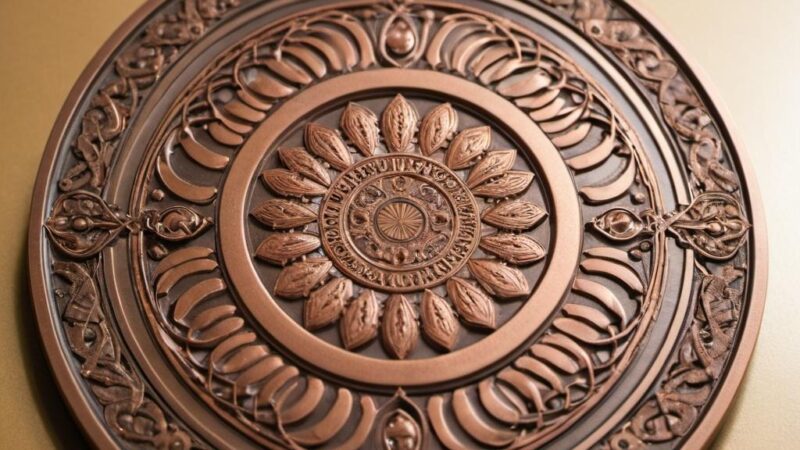
Custom medals

Custom Rings: How to Design a Piece That Tells Your Story

Introduction – Why Custom Rings Are Meaningful and Timeless A ring is more than just jewellery—it’s a symbol of love, milestones, and personal expression. While ready-made designs are beautiful, they don’t always capture your story. That’s where custom rings come in. Designing your own piece gives you the freedom to create something timeless, unique, and deeply personal. Whether it’s for an engagement, wedding, or a gift to yourself, a custom ring becomes a cherished keepsake that reflects your journey. Why Choose a Custom Ring Over a Ready-Made Ring Ready-made rings may be convenient, but they often lack the emotional depth of bespoke rings. A custom ring allows you to weave meaning into every detail—from the choice of gemstone to the setting style. For couples, it’s an opportunity to design custom engagement rings that symbolize their unique bond. Unlike mass-produced jewellery, personalized rings carry a story, making them truly one-of-a-kind. Moreover, a custom ring ensures exclusivity. You’ll never worry about someone else wearing the exact same design. It’s not just about style; it’s about creating a piece of unique jewellery design that feels like an extension of your personality. See more: Custom Medals Australia: Where to Find Quality and Affordable Options Steps to Designing Your Custom Ring (From Inspiration to Final Creation) Designing a custom ring is a journey—creative, exciting, and memorable. Here’s how the process usually unfolds: Every step makes the ring feel more personal and meaningful, turning jewellery into a story you can wear. Choosing the Right Gemstone and Metal for Personal Meaning The beauty of custom rings lies in choosing materials that resonate with you. Gemstones aren’t just about color—they hold symbolic meanings too. Metals also play a vital role in personalization. Platinum is durable and elegant, while yellow gold adds warmth and tradition. White gold offers a modern, sleek look, while rose gold conveys romance and uniqueness. Selecting the right combination ensures your ring feels both beautiful and meaningful. Working with a Jeweller: Tips for Collaboration The key to designing personalized rings is building a strong partnership with your jeweller. Clear communication is essential. Be open about your budget, timeline, and design ideas. Don’t be afraid to ask questions—whether about durability, comfort, or style variations. A good jeweller will guide you through technical details while respecting your vision. Collaborating also ensures you avoid common pitfalls, like choosing a setting that doesn’t suit your lifestyle. Remember, this is a creative journey—you and your jeweller are a team bringing your story to life. Budget Considerations for Custom Rings One common misconception is that custom rings are always more expensive. In reality, costs depend on your choices. Gemstones, metal type, and craftsmanship all affect the final price. For example, opting for a sapphire instead of a diamond may reduce cost without compromising beauty. Set a realistic budget early in the process and communicate it clearly. This allows your jeweller to suggest designs and materials that align with your financial comfort. Investing in bespoke rings may cost more than mass-produced ones, but you’re paying for exclusivity, craftsmanship, and meaning—things you can’t put a price on. Real-Life Inspiration: Stories Behind Custom Rings Many people design custom engagement rings to reflect their love stories. One bride incorporated her grandmother’s diamond into a modern halo setting, blending heritage with new beginnings. Another couple chose birthstones for a ring that symbolized their journey together. Even beyond engagements, custom rings can mark milestones. Some design rings to celebrate anniversaries, career achievements, or personal growth. Each story proves that jewellery becomes far more special when it carries meaning beyond aesthetics. Conclusion – Create a Ring That Reflects Your Story A ring should do more than sparkle—it should tell a story. With custom rings, you have the chance to design a piece that’s meaningful, personal, and timeless. From selecting gemstones with symbolic value to collaborating with a skilled jeweller, every choice becomes part of your journey. Whether it’s a romantic proposal or a gift to yourself, a custom ring is more than jewellery—it’s a memory crafted in metal and stone. Don’t settle for ordinary. Create a piece that truly reflects your story and carries it for generations to come.

No Comments Read More