
The short version is this: custom air fresheners come in so many shapes and scents because shape drives visibility and function, while scent drives mood and memory. When both line up, they stop being “just a freshener” and become a tiny, wearable brand experience.
Why do custom air fresheners need so many different shapes?
They need variety because different spaces and audiences notice different silhouettes. A bold outline reads faster at a glance, which matters in a moving vehicle or a busy shop counter. For promotions, unusual shapes also create “keep it” value, so people hang onto it longer.
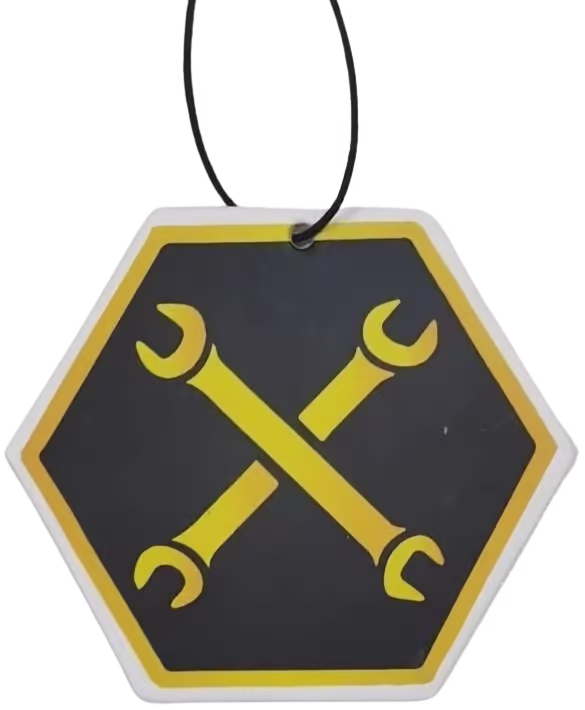
For Australian businesses, shape is also about context. A surfboard shape fits coastal brands, while a hard hat shape suits construction and mining suppliers. The closer the shape of personalised air fresheners matches a customer’s world, the more natural the promotional item feels.
What makes a shape work better in cars, utes, and work vehicles?
A good shape stays readable, doesn’t swing too wildly, and fits within the windscreen area without becoming distracting. In Australian heat, they also need to hold up, so designs with durable printing and sensible cut lines are preferred. Thin protruding parts can bend or crease over time.
For fleets, simple shapes often win because they look consistent across many vehicles. That consistency helps a brand feel more established, especially when the same custom air fresheners appear in multiple utes on the same job site.
Why do brands choose logo shapes instead of classic trees?
They choose logos because recognition is the goal. A tree is familiar, but it rarely says who the brand is. A logo outline, mascot, or product silhouette makes the branding immediate, even when the freshener is viewed from the passenger side.
It also helps online. When someone posts a car interior photo or a “new car day” story, a distinct branded shape becomes shareable. That turns custom air fresheners into a subtle social signal, not just a scent.
How do custom shapes affect printing, colour, and detail?
Shapes with clear edges and strong contrast hold detail better at small sizes. If the design includes fine text, thin lines, or gradients, the shape needs enough “quiet space” around it so the artwork doesn’t look crowded. Good suppliers will advise on bleed, safe zones, and colour matching.
Australian brands often want accurate brand colours for consistency with signage and uniforms. That is easier when the shape is simple and the design avoids tiny elements that can soften during production.
Why are there so many scent options in the first place?
There are so many scents because people interpret “clean” and “fresh” differently. One customer wants crisp linen, another wants tropical fruit, and another wants a subtle woody note that feels premium. The right scent can make a vehicle feel newer, calmer, or more personal.
In marketing terms, scent is a memory shortcut. That is why custom air fresheners are offered in broad fragrance ranges, from sweet and playful to minimal and “upmarket.”
What scents do Australians tend to pick for different use cases?
For rideshare and everyday commuting, clean options like linen, ocean breeze, and light citrus are popular because they are broadly safe. For tradies and work vehicles, stronger profiles like new car, leather, or bold citrus can feel more effective after long days on site.
For retail and events, sweeter scents can work because they feel fun and nostalgic. When custom air fresheners are handed out at Australian festivals, markets, or local footy events, “crowd-pleasing” scents usually outperform niche ones.
How do seasons and climate influence scent choices in Australia?
Australia’s heat changes how a fragrance performs. Warm interiors can amplify sweetness and make heavy scents feel overpowering. That is why many brands lean towards fresher notes in summer, then go warmer in winter, such as vanilla, sandalwood, or spiced profiles.
Humidity also matters in coastal areas. Light, airy scents can feel more comfortable in places like Brisbane or the Gold Coast, while richer scents can feel cosy in cooler regions like Canberra or parts of Victoria.
Why do some scents feel “premium” while others feel “cheap”?
Perception often comes down to balance and intensity. Premium fragrance quality is typically reflected in scents that feel layered and smooth rather than overly sharp or chemically harsh. Lower-cost fragrances may produce a strong initial burst before fading quickly, creating the impression of a dominant top note without much lasting depth.
Packaging and branding reinforce this too. If custom air fresheners look premium, people expect the fragrance to match, so mismatched scent quality can undermine the whole campaign.
How do brands choose a scent that most people will tolerate?
They choose safe, clean profiles and avoid extremes. Overly sweet, heavy musk, or very strong florals can divide opinion, especially in shared spaces like family cars or rideshare vehicles. Clean linen, light citrus, and soft ocean profiles tend to be the least risky.
Some Australian brands also test scents with staff or loyal customers first. A small test run of custom air fresheners can prevent a large batch that people quietly stop using.
What role does scent memory play in repeat business?
Scent memory is one of the strongest types of recall. If a customer associates a particular fragrance with a good experience, they can recognise it instantly later. That is valuable for automotive detailers, car yards, and service businesses, where the goal is to be remembered after the visit.
Using the same scent across different customer touchpoints can help strengthen brand recognition. Branded air fresheners can reinforce this identity by creating a familiar signature fragrance that customers gradually associate with the business, making routine visits feel more consistent and memorable.
How do different formats change the experience of custom air fresheners?
Formats change how scent releases and how long it lasts. Hanging card fresheners are common because they are visible and simple. Vent options can feel more discreet and are popular with people who dislike swinging tags. Some prefer bottle-style or gel formats for longer life, especially in larger vehicles.
The format also changes branding real estate. Hanging custom air fresheners usually give the most space for artwork, which is why brands often start there.
Why do promotions and events push brands toward novelty shapes and scents?
Novelty drives attention and helps a freebie feel like a gift, not an ad. If a brand is at an Australian expo, car meet, or community event, they want something people will actually keep. A unique shape and a likeable scent make that more likely.
They also encourage sharing. A funny shape paired with a surprising scent becomes conversation fuel, which is exactly what many campaigns want from custom air fresheners.
What should Australians look for when ordering custom air fresheners for business?
They should look for three things: print quality, scent quality, and reliable lead times. In Australia, lead times matter for launches, event dates, and seasonal campaigns. They should also confirm how scents are packaged and how long they typically last in real conditions.
It helps to ask for guidance on artwork setup too. The best results come when custom air fresheners are designed with legibility in mind, not squeezed into a shape that cannot support the detail.
How can brands avoid common mistakes with shape and scent selection?
They can avoid mistakes by thinking about where the item will live. If it is for cars, keep it readable and durable. If it is for retail counters, choose a shape that looks good front-on. If it is for wide distribution, choose a scent with broad appeal and moderate strength.
Most importantly, they should not treat custom air fresheners as an afterthought. When shape, scent, and intended use work together, they can become both a practical product and a lasting marketing asset. The same approach applies to promotional lapel pins and pin badges, which can add a memorable branded touch to event merchandise and attendee experiences long after the event ends.
FAQs (Frequently Asked Questions)
Why do custom air fresheners come in so many different shapes?
Custom air fresheners have a variety of shapes to match different spaces, audiences, and brand contexts. Shapes drive visibility and function, making the freshener more noticeable and relevant to where it’s used—whether that’s a tradie ute, rideshare car, retail counter, or festival showbag. Unique shapes also encourage people to keep them longer, creating a wearable brand experience.
What makes certain air freshener shapes better suited for cars and work vehicles?
Shapes designed for cars and work vehicles need to be easily readable at a glance, stay stable without swinging excessively, and fit within the windscreen area without causing distractions. Durable printing and sensible cut lines are important in Australia’s heat to prevent bending or creasing. Simple shapes often work best for fleets as they maintain brand consistency across multiple vehicles.
Why do brands prefer using logo-shaped air fresheners over traditional tree shapes?
Brands choose logo-shaped air fresheners because logos provide immediate recognition and clearly identify the brand, unlike generic tree shapes. A distinct logo or mascot silhouette enhances branding visibility from all angles inside a vehicle and increases shareability on social media, turning the air freshener into a subtle social signal rather than just a scent dispenser.
How do custom shapes impact printing quality, color accuracy, and design detail?
Shapes with clear edges and strong contrast preserve detail better at small sizes. Designs with fine text or gradients require enough quiet space to avoid crowding. Good suppliers advise on bleed areas, safe zones, and color matching to ensure brand colors remain consistent with signage and uniforms. Simple shapes help maintain print clarity and prevent softening of tiny elements during production.
Why are there so many scent options available for custom air fresheners?
There are many scent options because perceptions of ‘clean’ and ‘fresh’ vary widely among individuals. Offering a broad fragrance range—from crisp linen to tropical fruit or woody notes—allows brands to evoke specific moods and memories that make vehicles feel newer, calmer, or more personal. Scents act as memory shortcuts that enhance the overall brand experience.
How do Australians typically choose scents for different use cases like rideshare, tradie vehicles, or events?
In Australia, clean scents like linen, ocean breeze, and light citrus are popular for rideshare and everyday commuting due to their broad appeal. Tradies often prefer stronger profiles such as new car or leather scents after long days on site. For retail events or festivals, sweeter scents that feel fun and nostalgic tend to outperform niche fragrances by appealing to larger crowds.
Comments