
The world of custom event medals is a vibrant blend of art, engineering, and corporate strategy. Whether for marathons, esports tournaments or corporate recognition events, medals play a pivotal role in celebrating achievements and creating memorable experiences. In Australia and beyond, the demand for personalised and intricately designed medals continues to rise, driven by innovations and a deeper understanding of the audience’s expectations.
The world of custom event medals is a vibrant blend of art, engineering, and corporate strategy. Whether for marathons, esports tournaments or corporate recognition events, medals play a pivotal role in celebrating achievements and creating memorable experiences. In Australia and beyond, the demand for personalised and intricately designed medals continues to rise, driven by innovations and a deeper understanding of the audience’s expectations.
The Market Surge and Its Impact on Medal Design
Growing Industry Trends
Recent statistics reveal that the global customised metal crafts market was valued at USD 8.6 billion in 2024, with forecasts estimating growth to reach USD 12.7 billion by 2030 at a CAGR of 6.7%. This surge in market value reflects a global appetite for personalised and intricately designed commemorative items.
Alongside the metal crafts market, the corporate gifting and trophy accolades market is witnessing rapid expansion. For instance, corporate gifting programmes alone ordered 112.4 million medals in 2023, marking a 22% increase from the previous year. This rise has been fuelled by global companies increasing their employee-recognition budgets to further boost brand loyalty and internal morale.
In Australia, the blend of corporate sophistication and creative craftsmanship is evident in the increasing adoption of medal customisation in large-scale events. Organisations are leaning towards bespoke designs that reflect their values, and this trend is transforming the way medals are conceptualised and produced.
Corporate and Personalised Recognition
Custom medals are no longer just tokens of recognition-they are powerful tools to reinforce brand identity and enhance employee engagement. Many corporate giants worldwide have embraced the idea of personalised recognition, integrating unique designs that resonate with their organisational culture and achievements.
Expert insights reinforce that personalised medals have transitioned from being optional to essential, especially when customising is a key element in creating meaningful experiences. Awards are designed to be more than mere symbols; they represent moments of personal triumph and collective accomplishment.
A thoughtful approach to design can communicate subtly yet powerfully the values of the recipient organisation. Whether it is through the inclusion of logos, specific colour palettes or acoustic engravings that highlight company ethos, the emphasis remains on making each medal a personal, cherished keepsake.
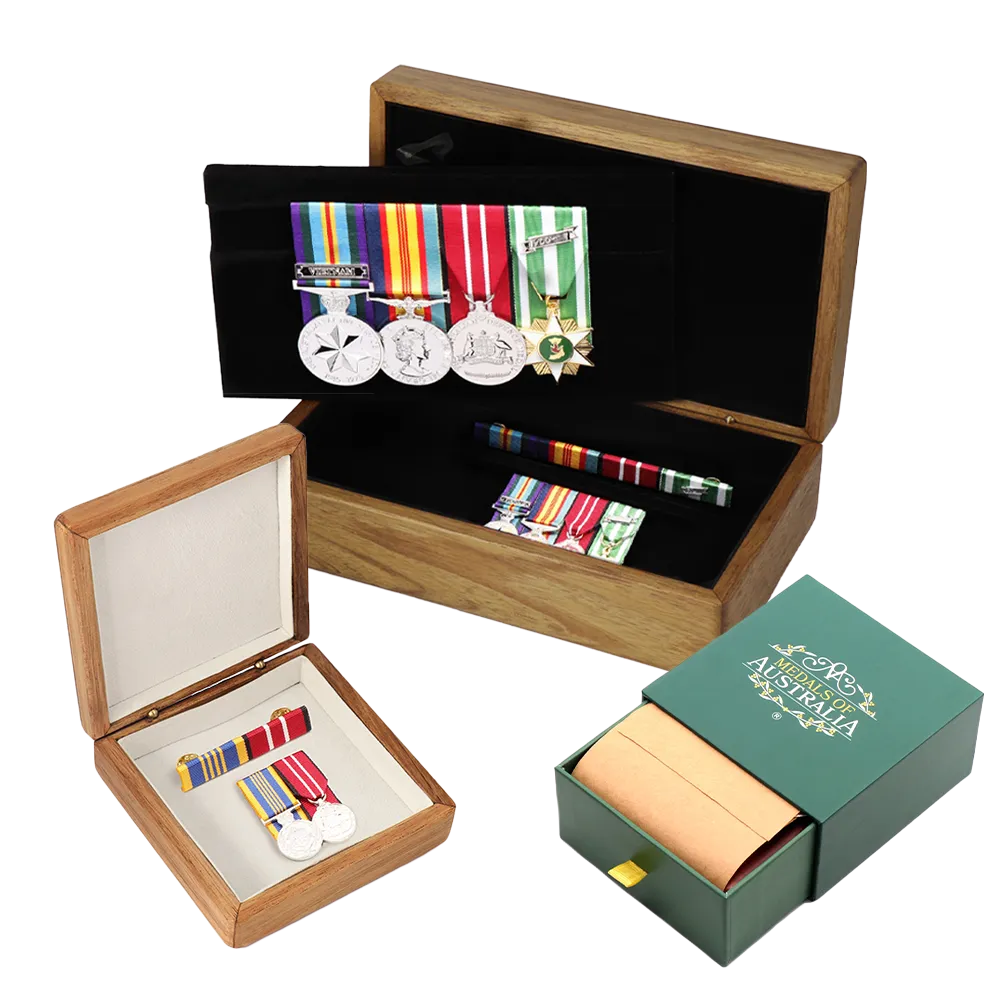
The Role of Technology in Medal Customisation
Integration of Modern Technologies
Technological advances have reshaped the way medals are designed and produced. There is a strong focus on utilising high-precision tools which allow for intricate multi-layer textures and detailed engraving. Studies have shown that medals with multi-layer designs yield a 32% higher satisfaction rate than flat designs, highlighting the effectiveness of added depth and texture.
Innovative manufacturers now use computer-aided design (CAD) software and 3D printing to prototype and refine their designs before casting. Such tools not only improve the quality of the final product but also allow for rapid customisation based on client feedback.
In addition, the emerging utilisation of microchip technology has led to the creation of NFC-enabled medals. These medals, which include embedded microchips for credential verification, are transforming traditional events such as marathons. In 2023, these innovative medals were adopted by 14 large marathons, making up 8% of the medal volumes in such events.
Rapid Prototyping and Fine-Tuning
The design process for custom medals begins with detailed discussions with clients and stakeholders. Rapid prototyping plays a key role in transforming initial sketches into tangible models that can be evaluated and refined. Feedback is actively sought to ensure that each medal meets the high standards expected from prestigious events.
Adopting an iterative approach allows designers to address potential issues early on. When prototypes are evaluated, multiple revisions may be required to perfect every detail, from the curvature of the medal to the subtle interplay of light on its surfaces.
This iterative cycle is central to delivering bespoke awards that capture the essence of the event and remain aligned with the client’s branding guidelines. The blend of creativity and precision has given rise to medals that are functional, aesthetic, and technologically integrated.
Craftsmanship and Personalisation Techniques
The Art of Design and Engraving
Creating a custom medal is often described as marrying the art of design with the precision of metalwork. Skilled artisans earnestly craft each medal, whether it’s through hand-engraving, casting or inlaying unique materials. The process starts with a conceptual phase, where ideas are generated and refined into detailed sketches. These sketches capture every nuance, from the medal’s overall shape to the intricate details on its surface.
In larger scale programmes, where medals are awarded en masse, maintaining consistency is crucial. Producers rely heavily on advanced manufacturing techniques to ensure that each award upholds the requisite quality, yet still retains a unique, personal touch. Modern designs grip the audience, turning each medal into a proud collectible.
The fine balance between artistic expression and manufacturing proficiency is what elevates the design of event medals. The blend of charm, elegance, and innovation means that each piece can be appreciated as both a work of art and a symbol of hard-earned success.
Customisation for a Distinctive Experience
Personalisation is at the heart of creating custom event medals. Organisations looking to make a lasting impression always seek a design that tells a story-a narrative that mirrors the event’s significance. Medal designers are now frequently consulted on how best to integrate company logos, mottos and event-specific themes without compromising on aesthetics.
Design features such as dual finishes, layered materials, and strategic use of colour can lend an aura of sophistication. Clients have the freedom to choose from various metal types and finishes, including gold, silver, bronze and even unconventional alloys that grant a modern twist. Subtle techniques like selective colour plating can further enhance the award’s uniqueness.
Attention to detail extends even to the medal ribbons. Thoughtful combinations of textures and materials contribute to an overall design that exudes an air of exclusivity. This customisation enhances not only the physical appearance of the medals but also elevates their sentimental value to recipients.
Navigating the Production Process for Large Scale Programmes
From Concept to Creation
The journey of transforming a design idea into a tangible medal begins with an in-depth consultation. Clients outline their vision, set budgets, and stipulate the narrative they wish to project. During this phase, designers appreciate the nuances behind each request and begin brainstorming innovative approaches that can bring the idea to life.
The initial sketches soon give way to digital designs, and the emphasis shifts to practical considerations like the manufacturer’s ability to scale production while ensuring consistency. This is crucial when dealing with large-scale events where thousands of medals might be manufactured.
Meticulous planning during this phase also involves logistics. Ensuring that production timelines match event schedules is paramount, particularly when events take place on a global stage. This means that even the seemingly small elements, such as packaging and delivery processes, are executed with precision.
Quality Control and Assurance
Maintaining superior quality across hundreds or even thousands of pieces is a significant challenge. Quality control becomes integral at every stage of production. From ensuring that the base metal meets stringent standards to confirm that every engraving is clear and consistent, manufacturers deploy rigorous checks.
Specialised laboratories conduct stress tests and finish evaluations to ensure durability and aesthetic value. For instance, a 2023 industry survey revealed that medals boasting multi-layer textures did not only elevate visual appeal, but also enhanced recipient satisfaction significantly, with a 32% higher satisfaction rate compared to flat designs.
By employing automated systems for repetitive quality checks and leveraging experienced quality control technicians, companies can uphold the high standard that large-scale events demand. The resulting medals are thus both robust and refined, a true testament to quality and innovation.
Innovative Trends Shaping Medal Design
Integration of NFC-enabled Medals
One of the most exciting trends in the world of custom event medals is the integration of Near Field Communication (NFC) technology. These NFC-enabled medals contain embedded microchips that simplify credential verification, adding a layer of interactivity to traditional designs. By tapping into mobile devices, recipients can instantly access details about the event and even their performance metrics.
Fourteen large marathons, representing 8% of all medals in these races in 2023, have adopted this technology. The adaptation stands as a testament to the growing crossover between physical mementos and digital innovation. Such features not only modernise the awards but also facilitate seamless integration into broader event management ecosystems.
Incorporating NFC chips is particularly appealing for tech-savvy audiences and ensures that the celebrations are both memorable and secure. The blending of technology with elegant design heralds a new era for custom event medals, appealing to a diverse range of event participants.
Sustainable Materials and Eco-friendly Practices
As environmental considerations gain traction, many designers are shifting towards sustainable solutions. Environmentally friendly processes and recycled materials are increasingly being adopted to cater to eco-conscious clients. This trend is especially relevant for organisations that prioritise corporate social responsibility.
Medal producers now explore alloys and coatings that not only preserve the sheen and durability of the medal but also reduce the carbon footprint associated with traditional metal processing. This commitment to sustainability is not limited to materials alone-it extends to production methods that strive to conserve energy and reduce waste.
The integration of sustainable practices is welcome by a growing segment of the market, particularly as companies seek to align their awards and recognitions with broader environmental goals. The shift towards eco-conscious design reinforces that medals, while commemorating achievements, can also symbolise commitment to a healthier, greener future.
Case Studies and Real-World Examples
Major Sporting Events and the Asian Games
A prime example of the evolving landscape is seen in events such as the 2023 Asian Games, where esports was included as a medal event for the first time. This inclusion reflects how traditional sporting events are embracing modern disciplines and recognising the enormous popularity of electronic sports.
The decision to incorporate esports also brought forward unique design challenges and new opportunities for innovation in medal design. Awarding medals in an arena that blends technology with competitive spirit demanded designs that were futuristic yet reflective of classic sporting traditions.
This pioneering step by the Asian Games not only highlighted the potential for non-traditional sporting accolades but also demonstrated the flexibility and adaptability required in medal design. The medals for this event were meticulously crafted to represent both digital prowess and timeless achievement, setting a benchmark for future competitions.
Corporate Recognition and Employee Engagement
Organisations worldwide are increasingly turning to custom medals as a cornerstone of their recognition programmes. This is evident in the significant uptake by Global 500 companies who have expanded their employee recognition budgets. Custom medals, fashioned with precision and personal touches, have become premium promotional items that drive brand engagement and loyalty.
In a recent survey, industry giants emphasised that personalised medals forge stronger connections between the employer and the employee. Thoughtful and artistically designed medals ensure that each award carries the weight of sincere appreciation and hard work.
For Australian companies, where workplace camaraderie and team spirit are highly valued, the move towards increasingly customised and intricate medals has translated into higher morale and enhanced corporate culture. These carefully designed mementoes do more than just symbolise achievement; they reflect the essence of the organisation itself.
Future Prospects in Custom Medal Design
Adapting to Evolving Tech and Trends
Looking ahead, the realm of custom event medals is set to further evolve with advances in digital technology, materials science and design creativity. Manufacturers are continually exploring new methods to imbue medals with interactivity, whether by integrating augmented reality elements or by further refining NFC technology.
Consultations between designers and tech experts are becoming routine as both fields converge. This collaborative approach ensures that the end product is not only visually appealing but also functional and forward-thinking. The challenge remains in maintaining a balance between high-tech features and classic elegance.
Moreover, keeping an eye on trends such as sustainability and user-centric design ensures that future designs will resonate strongly with contemporary audiences. Emerging trends will likely continue to push the boundaries of what medals can represent, making them richer in both form and function.
Crafting Designs with a Global Perspective
The international market for customised medals is vast and varied. With projections showing significant growth in both the metal crafts and custom trophy service markets, designers must cater to diverse tastes and cultural nuances. Every region brings its own aesthetic preferences, traditions and values to the table.
For designers based in Australia, this necessitates a deep understanding of both local and international trends. By incorporating designs that reflect a global perspective without losing touch with cultural specificity, creators can appeal to a broad audience. Thoughtful integration of traditional motifs with contemporary design trends forms a distinctive edge in today’s competitive market.
Future prospects also suggest that we will see increasing collaborations between international designers and local artisans. By blending global influences with local craftsmanship, the outcomes are medals that speak to a universal language of achievement and recognition.
Best Practices in Custom Medal Design for Large Scale Events
Effective Communication with Stakeholders
One of the most critical steps in custom medal design is establishing clear and open communication among all parties involved. From the initial brief to the final delivery, every stage demands collaboration and precise articulation of ideas. Stakeholders often include event organisers, marketing teams, and technical experts, each offering valuable perspectives on the overall goals.
This collaborative approach ensures that the design reflects not just aesthetic aspirations, but also practical considerations such as durability, ease of manufacturing and cost effectiveness. Regular feedback sessions allow for corrections and enhancements early in the process, ensuring that the final product ticks all the boxes.
For large-scale events, where deadlines are strict and quality is non-negotiable, effective communication translates into smoother transitions across all production phases. It’s a tried-and-tested approach that has seen custom medals not only meet but often exceed expectations.
Incorporating Feedback and Iterative Design
A key pillar of successful medal design is the willingness to incorporate constructive feedback. Iterative design processes are vital in refining prototypes until they perfectly align with the envisioned outcome. Test runs, mock-ups and pilot productions are common practices that highlight any design or manufacturing issues that might arise.
Design teams often work in close conjunction with clients to ensure that every detail is considered. This results in medals that are meticulously polished, reflecting both the technological advancements and artistic precision required by large-scale programmes.
The iterative process not only improves the final product but also fosters innovation. Each cycle of feedback and review opens the door to creative solutions, ensuring that the medals remain modern, relevant and highly coveted by recipients.
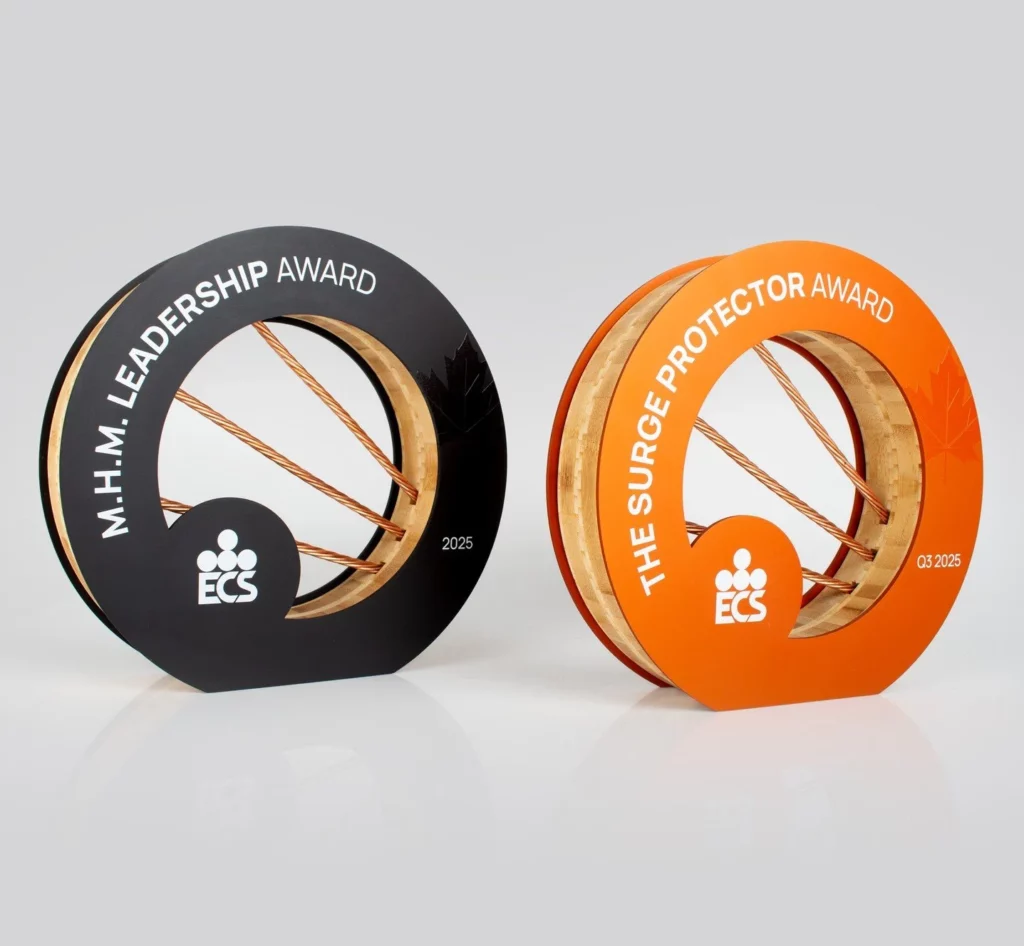
Conclusion: The Legacy of Customised Medal Design
Reflecting Achievements with Excellence
Custom event medals are more than just awards; they are tangible memories of hard work and dedication. With careful planning, advanced technology and a keen eye for design, these medals capture the spirit of the events they represent. They serve as enduring symbols of success that recipients treasure for years to come.
From the early stages of brainstorming ideas to the final touches of mass production, every step reflects a commitment to excellence. The fusion of artisanal craftsmanship with modern technology ensures that each medal is both a piece of art and a functional recognition tool.
This attention to detail and commitment to quality is what continues to drive the market forward, inspiring new designs that celebrate achievement in all its forms.
Embracing Innovation and Tradition
Designers are constantly challenged to balance innovation with tradition. In the realm of customised medal design, both elements are indispensable. Event organisers, corporate clients and athletes alike appreciate medals that tell a story-one that honours heritage while embracing the future.
The integration of modern technological features such as NFC verification and multi-layer textures enhances the overall award experience. At the same time, traditional design elements and time-honoured craftsmanship ensure that the medals retain a timeless appeal that’s universally recognised.
As we look to the future, the legacy of custom event medals will undoubtedly be marked by more innovative designs and creative breakthroughs that continue to push the boundaries of what is possible. Whether for a marathon, corporate event or a groundbreaking sports competition, these medals will always serve as a beacon of inspiration and achievement.
Final Thoughts and Recommendations
Strategies for Success in Medal Design
For any organisation aiming to create customised medals for large-scale programmes, understanding the landscape is the first step. Balancing artistic sensibility with technical precision is crucial. Adopting best practices such as maintaining open communication channels, embracing iterative design and incorporating the latest technology will pave the way for a successful project.
Emphasising customisation allows each medal to tell a unique story while still reinforcing the broader theme of the event. The journey from design concept to mass production demands commitment, creativity and attention to detail-qualities that are clearly reflected in the growing global market statistics.
click here fore more Custom Medals Australia Explained: Materials, Finishes and Lead Times
Comments