
Custom medals have become a popular way for organisations to celebrate achievement and commemorate milestones. Whether you’re awarding athletes, recognising volunteer efforts or celebrating a corporate achievement, understanding the full gamut from materials to production timelines is key. For those based in Australia, the process, from design to delivery, can be both exciting and challenging.
This guide is designed to cover every aspect of custom medal production – from selecting the right materials and finishes to understanding lead times and artwork specifications. Read on for a friendly, informative breakdown tailored to local needs.
Choosing the Right Material for Your Medal
Exploring Material Options
Within the custom medals Australia market, zinc alloy (commonly referred to as Zamak) is widely leveraged for its ability to deliver high design precision, making it an optimal choice for medals requiring fine engravings or intricate profiles. From a performance standpoint, however, zinc alloy demonstrates lower impact resistance when benchmarked against brass or bronze. This factor should be strategically evaluated based on the event format, usage conditions, and durability expectations associated with the intended application of custom medals in Australia.
Zinc alloy (also called Zamak) offers impressive precision in design, which is perfect if your medal includes fine engravings or detailed profiles. However, the metal is less impact-resistant compared to brass or bronze. This may be an important consideration depending on the type of event or activity for which the medals are intended.
Brass medals, on the other hand, deliver superior durability. They can better withstand heavy handling and high-traffic awards ceremonies. The slight premium in cost is justified if longevity and a premium finish matter. Bronze is another option that provides a classic look, although it is usually reserved for awards with a more traditional style. Consider your target audience and the nature of the event when making your choice.
Comparing Zinc Alloy, Brass and More
Each material has its own personality. Zinc alloy medals offer a vibrant way to showcase detailed designs but are often less resistant to knocks and impacts. Their versatility in representing complex artwork makes them a favourite for busy award ceremonies where aesthetics take the front seat.
Brass shines because of its durability. Organisations that expect their medals to be exchanged frequently or handed out at large-scale sporting events often choose brass. The extra cost is offset by the enhanced finish and resistance to wear.
Bronze medals offer a traditional appeal that is hard to beat. The choice between these materials will not only influence the look of the medal but also impact the longevity and suitability for the intended usage. Balancing aesthetic appeal with durability is key to making a satisfying selection.
Material Impact on Longevity
The durability of a medal largely depends on its material composition. Zinc alloy, while offering superior detail, may not be the best choice for highly physical events where medals are frequently handled. It’s perfect when beauty is the primary factor and the medal is unlikely to face rough conditions.
Brass medals, being more robust, can easily handle the wear and tear of sporting events or ceremonies where every medal might be kept as a keepsake or passed on to others. The robust nature of brass ensures that the medal will look impressive long after it has been awarded.
Endurance is not just about the metal, though. Environmental factors such as humidity and temperature fluctuations can occasionally impact the finish of the medal. Appropriate lacquer treatments or protective coatings are often recommended to extend the life of the finish, especially for medals destined for outdoor events or long-term display.
Understanding Finishes for Custom Medals
The Importance of a Quality Finish
The finish on a custom medal is as important as the material itself. A quality finish not only enhances the overall look of the medal but also provides added protection. Common finishes include polished, antique, and enamel coating. Each finish style contributes a different aesthetic and level of durability.
Polished finishes offer a sleek, modern appeal that turns heads, whereas antique finishes lend an air of tradition and history – perfect for commemorative awards. Enamel coatings can bring vibrant colours into play, making medals visually captivating.
When selecting a finish, consider the context in which the medal will be awarded. For example, vibrant enamel-coated medals work wonderfully for community events or sporting occasions where a burst of colour is desired. In contrast, a polished or antique finish might be more suitable for corporate or academic events.
Varieties of Enamel Techniques
Enamel coatings have opened up a world of possibilities for custom medal design. This technique allows for bright colour fills in recessed areas of the medal, making intricate designs stand out beautifully. Whether it be the crisp lines of vectors or elaborate detailing, enamel adds dimension and vibrancy.
ColourMax medals are a testament to the advanced possibilities with enamel. These medals are produced using a special technique that applies high-definition colours to every design element. The result is an eye-catching medal that stands out among more traditional metallic finishes.
For some, a classic matte or satin finish might be preferable. A matte finish can help reduce glare and provide an understated elegance that works well in professional settings. Each of these finishes lends a distinct personality to the medal, ensuring that the final product aligns perfectly with the intended message and ethos of the event.
Protective Coatings and Longevity
Protective coatings extend the life of your custom medals. They prevent tarnishing and minimise damage from frequent handling. This is especially important for medals made from metals that are more susceptible to corrosion.
Sealants and clear lacquers form a robust shield over the medal’s surface, thereby safeguarding engraved areas and maintaining the vibrant contrast of any enamel work. Protective coatings are advisable where medals are awarded in competitive sports or outdoor events.
Additionally, selecting the right finish combined with proper aftercare makes all the difference. Medals that receive a high-quality protective finish can be treasured for generations, acting as both an award and a lasting keepsake.
Streamlining the Design and Artwork Process
Artwork Specifications and Requirements
One of the first hurdles in producing custom medals is ensuring that the artwork meets required specifications. Most suppliers now mandate the use of vector artwork formats like AI, EPS, or PDF to guarantee clean engravings and acutely detailed enamelling. Submissions must meet the minimum resolution of 300 DPI for printed or sublimated elements.
Design clarity is paramount, as vector files provide scalability without loss of detail. This ensures that every line and curve translates exactly onto the medal without any pixelation or distortion, offering a professional finish in the final product.
Templates provided by suppliers clearly indicate the safe zones for your design’s critical elements. Following these templates closely can reduce the need for revisions, thus speeding up the overall production process. It is also recommended that designers check the artwork details several times to avoid any misinterpretation during production.
Navigating Safe Zones and Templates
Using safe zones and templates is crucial when preparing artwork for your custom medals. These guidelines help ensure that no important details are cut off or lost during the production stage. Templates outline clear margins where engravings and artwork can be safely positioned.
By adhering to these guidelines, designers and organisers can avoid costly back-and-forth communications with the production team. This adherence helps accelerate the design approval process. Safe zone templates minimise risks associated with design misalignments, ensuring that the final output matches expectations.
Many suppliers also offer consultation during the design phase. This hands-on approach not only refines the artwork but also enhances the overall quality of the medal. Engaging in early discussions with a production team often leads to improved outcomes and a smoother manufacturing process.
Optimising the Workflow
Smooth transitions between design approval and production are critical for timely delivery. The production process is generally kicked off once the final artwork is approved, with most custom medal orders ranging between 20 to 40 days until they are complete. This timeline often covers steps such as mold creation, material sourcing and quality control checks.
Engaging with a supplier that offers clear artwork specifications and effective review systems can streamline workflow considerably. This proactive collaboration reduces delays that may come from requests for design adjustments or clarifications during the production phase.
Ultimately, early planning and clear communication with your supplier can reduce the stress of meeting deadlines. With a well-laid-out plan and adherence to art specifications, your custom medals will be a source of pride and a lasting token of achievement.
Lead Times and Production Schedules
Understanding Standard Production Timelines
Production timelines for custom medals generally range from four to eight weeks once the final artwork has been approved. This period encapsulates everything from mold creation and material sourcing to actual production, quality control, and final packaging.
The variation in lead times is typically dependent on the medal type and the complexity of the award. Die-cast, die-struck, and spin cast medals usually fall within this 5-8 week window if shipped via air freight, although ocean freight options can extend delivery to 10-14 weeks.
For any event that requires a particular delivery date, it is advisable to account for these standard timelines. Being proactive and ordering well in advance of the event can save you from unnecessary stress and potential last-minute rush fees.
Expedited Production and Rush Orders
Sometimes deadlines are tight and standard lead times just won’t do. In such cases, many suppliers offer expedited production or “rush orders”. These services can cut production timelines down to as little as 2-3 weeks, although they come at a premium.
Rush orders are typically considered when the event date is non-negotiable or when an organisation needs replacement medals at short notice. It is always best to have open communication with your supplier about your timeline needs right from the start.
This flexibility is appreciated by customers, as it ensures that even unexpected situations can be accommodated. However, it is important to budget for these expedited services as they invariably lead to increased costs associated with faster production schedules and prioritised shipping.
Comparing Lead Times Across Medal Types
Different medal types come with their own lead time expectations. Insert medals and ColourMax medals, for instance, have a quicker turnaround time (typically around 2-3 weeks), making them ideal for events with tight schedules or limited budgets.
Die Cast and Die Struck medals require more intricate production processes and, therefore, normally require a longer lead time. These medals are often the choice for prestigious events where the design details and finish are critical. A common lead time for these types is between 5 to 8 weeks using air freight, while ocean freight might extend the timeline to 10-14 weeks.
Balancing the type of medal with the required lead time can help you select the optimal product for your event. If fast delivery is crucial, it is worth considering designs that can be produced quickly without sacrificing the quality of the finish or the aesthetic appeal.
Payment Terms and Budgeting Considerations
Standard Payment Practices
The financial planning required for custom medals is crucial. Standard payment practices typically involve a 30-50% deposit at the time of order confirmation. This upfront payment secures your position in the production schedule and initiates the design finalisation process.
Once the initial deposit has been made, the remaining balance is usually payable before shipment. This tiered payment approach offers both security for the supplier and peace of mind for the customer. It strikes a balance between upfront commitment and final approval.
For long-standing customers or established relationships with suppliers, net 30 terms post-delivery may be available. Understanding and negotiating these terms can help you manage cash flow more efficiently, especially if you are managing multiple events or large-scale orders.
Budget Considerations and Value for Money
Budgeting is often one of the most important facets of custom medal production. The choice between more affordable zinc alloy medals and pricier yet durable brass medals can have a significant impact on the overall project cost. The finish selected and any additional decorative elements such as high-quality enamelling further influence the price.
Working closely with your supplier to outline your budget can help in tailoring the final design without compromising on quality. This discussion might also reveal cost-saving alternatives like adjusting the complexity of the design or selecting medals that allow for quicker production times.
When planning your budget, always account for potential rush order fees if there is a risk of tight deadlines. The added cost might be marginal compared to the possibility of missing an important event date. It’s all about balancing financial resources with the desired quality and timeline for your medals.
Customisation and Added Value
Customisation is a central appeal of these medals. Beyond just the design, the choice of materials, finishes, and even packaging can be tailored to ensure that every detail aligns with your vision. This added value often justifies a slightly higher cost, as each piece becomes a unique memento of achievement.
Additional features such as personalised ribbons, engraved names or dates, and special edition packaging can transform the medal into a cherished keepsake. Organisations often find that such bespoke elements have a lasting impact on the recipient, reinforcing the significance of the award.
Discussing these customisation options with your supplier early in the design phase can help you plan a product that meets all your aesthetic and functional criteria, ensuring that nothing is left to chance and every detail is covered.
Production Process and Quality Control
Steps in the Manufacturing Process
The manufacturing process for custom medals is a structured and carefully managed operation. Once the final artwork is approved, production begins with the creation of a mould – a critical step that defines the final appearance and precision of the medal.
After mould creation, raw materials are sourced and prepared. Whether it’s a zinc alloy for detailed work or brass for durability, each batch is carefully measured and mixed. The production phase follows, which may include casting, engraving and application of any special finishes.
Packaging follows once quality control checks confirm that the medals meet the supplier’s high standards. This careful segmentation of the production process is designed to ensure that each medal is produced to the highest possible quality.
Quality Control Procedures
Rigorous quality control is another essential aspect of the custom medal production process. Every medal is subjected to multiple checks to ensure art details are consistent and finishes meet the required specifications. These checks guard against any imperfections that could detract from the final product.
Quality control involves reviewing the engraving details, ensuring that enamel colours are accurately applied, and confirming that all safe zone guidelines in the design have been adhered to. This stage is critical in transforming a design into a medal that is both visually appealing and durable.
Suppliers often use specialised equipment and skilled technicians to manage quality control. Investing time in this phase not only enhances the reputation of the award but also provides recipients with a keepsake that truly reflects the prestige of their achievement.
Packaging and Final Delivery
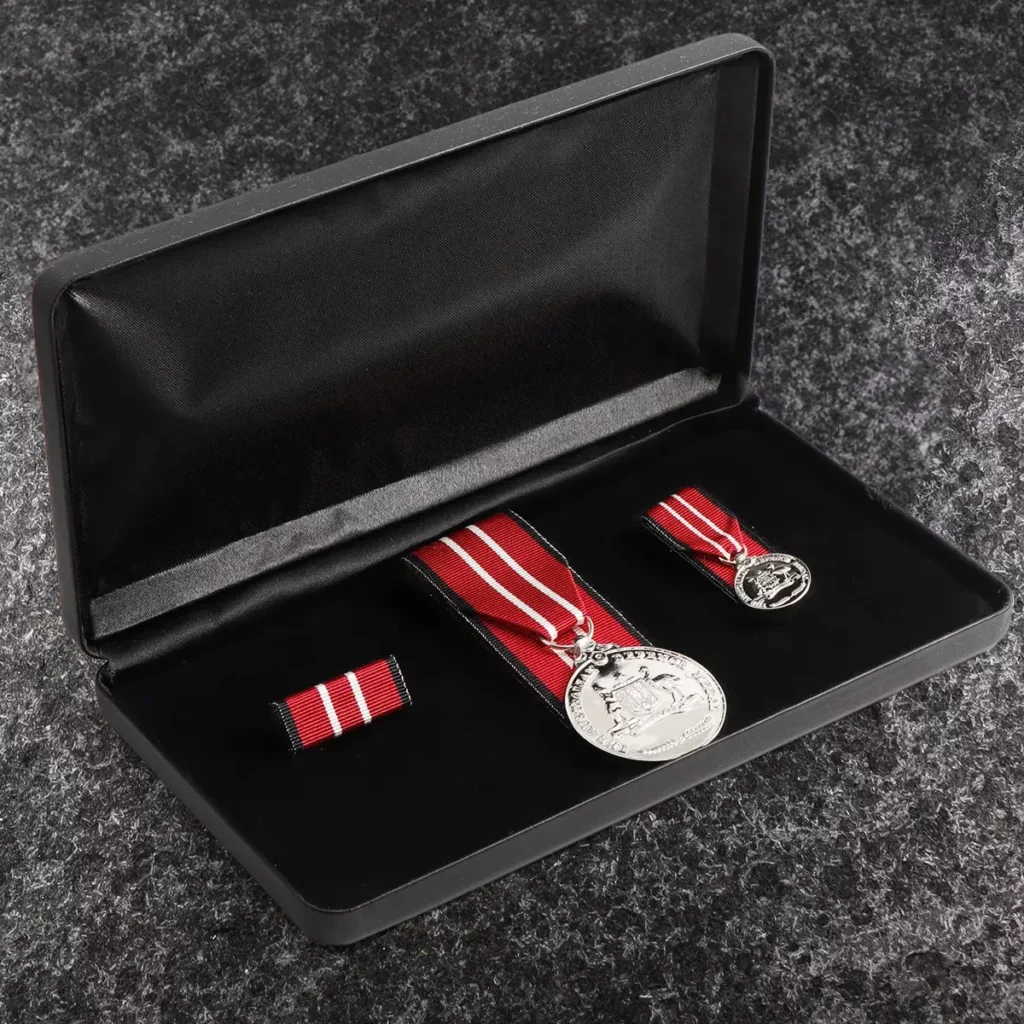
Once a medal passes all quality control checks, the final step is packaging. Customised packaging is common – including custom boxes or sleeves – and is designed to protect the medal while also presenting it in an attractive manner.
The packaging process is integrated with the shipping schedule to ensure that medals are delivered on time and in pristine condition. Organisers can specify presentation requirements, which may add another layer of customisation to the overall product.
Efficient packaging and final delivery are testament to the holistic approach taken by suppliers. Beyond simply manufacturing a medal, every step is geared towards ensuring that your final product arrives without damage and ready to impress.
Practical Tips for a Smooth Custom Medal Order
Planning Ahead and Managing Deadlines
Successful medal production is all about planning ahead. It’s wise to start the ordering process well in advance of your event date. Given that production timelines vary according to medal type, having a buffer period helps accommodate any unexpected delays or design revisions.
Early communication with your supplier ensures that any potential issues – such as artwork misalignments or material shortages – are resolved swiftly. This proactive planning minimises stress, making the entire process smoother and more predictable.
Maintain regular updates with your supplier to keep track of the production phases. By doing so, you not only stay informed about the status of your order but also have the opportunity to address any concerns immediately.
Communication with Suppliers
Effective communication is key to a successful custom medal order. Establishing clear lines of communication from the outset allows you to manage expectations and clarify any uncertainties about artwork specifications or lead time concerns.
Discuss not only your design ideas but also any budget constraints and deadlines. This level of engagement ensures that the supplier understands all your requirements, which in turn reduces the likelihood of reworks and delays.
Maintaining a cooperative relationship with your supplier can be invaluable, especially if you need to make modifications during the production process. Regular updates and open dialogue are crucial components for ensuring that everything progresses as planned.
Quality Assurance and Final Checks
click here fore more How Custom Event Medals Are Designed for Large Scale Programs
Comments